
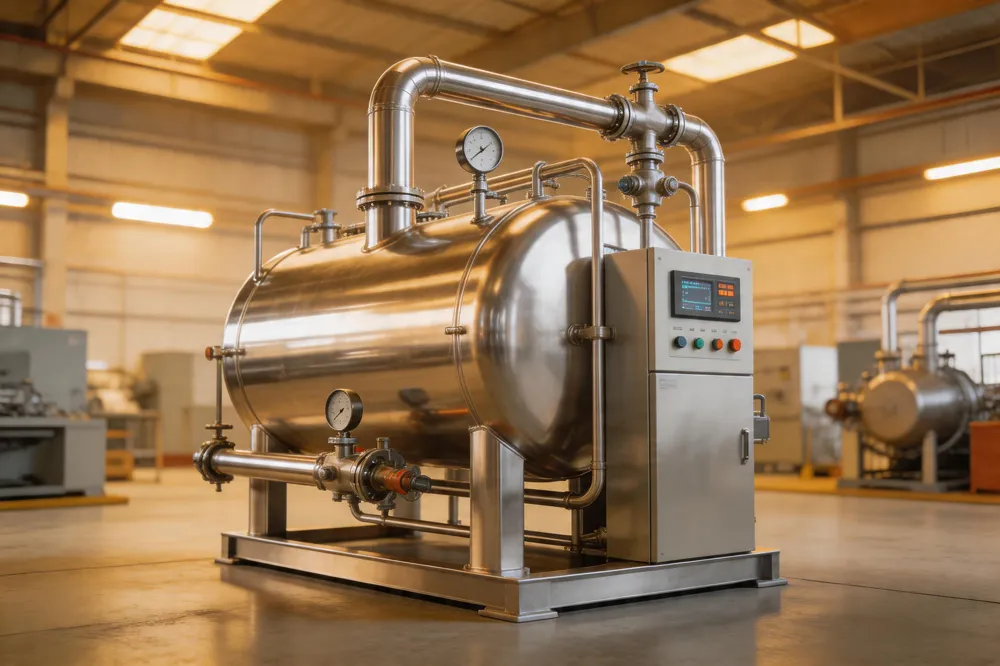
Why Boiler Longevity Matters
Extending a boiler’s service life delivers clear economic benefits: annual professional tune‑ups and timely part replacements keep fuel consumption down by up to 15 % and can slash utility bills, while avoiding costly emergency repairs that often exceed several hundred dollars. Efficient operation is maintained when pressure stays within the manufacturer’s 1–1.5 bar range, heat exchangers are clean, and scale‑free water chemistry preserves heat transfer, all of which prolongs the boiler’s effective lifespan. Safety considerations are paramount—regular inspections catch corrosion, cracked heat exchangers, and faulty safety valves before they cause carbon‑monoxide leaks, fire hazards, or explosions. Finally, compliance with U.S. regulations such as the ASME Boiler and Pressure Vessel Code, OSHA workplace standards, and local building codes requires documented annual inspections, proper venting, and calibrated controls, protecting both the homeowner and the installer from liability. In short, a well‑maintained boiler saves money, runs efficiently, stays safe, and meets all legal requirements.
Essential Maintenance Practices and Quick Reference PDFs
Boiler maintenance tips pdf – A concise PDF checklist can be built from daily, weekly, and monthly tasks. Start each day by checking boiler pressure (1‑1.5 bar for residential units) and temperature, inspecting the flame through the sight port for a steady blue burn, and confirming the low‑water cutoff functions. Weekly, test controls and alarms, sample water chemistry for pH and corrosion inhibitors, and listen for abnormal motor noises or leaks. Monthly inspections should cover the burner diffuser, pilot tube, air dampers, and the exterior for hot spots, corrosion, or dust buildup. Follow manufacturer start‑up and purge procedures, keep safety valves calibrated, and record every action in a logbook. Compile these steps into a single PDF so technicians have a clear, printable reference.
Boiler maintenance PDF – Hutson Industrial Services offers a comprehensive Boiler Maintenance PDF that walks users through safe operation, routine inspection, and preventive upkeep of industrial boilers. The guide details weekly, seasonal, and annual tasks such as burner cleaning, safety‑relief valve testing, blow‑downs, and water‑level gauge checks. It also provides troubleshooting tips for low water‑cutoff failures, steam leaks, and abnormal stack temperatures, all formatted for on‑site reference and compliant with ASME and OSHA standards. Download the file from the Hutson website to keep your boiler running efficiently.
Boiler maintenance checklist pdf – A printable boiler maintenance checklist PDF breaks down responsibilities by frequency—daily, weekly, monthly, and annual—covering pressure and temperature monitoring, flame pattern checks, heat‑exchanger cleaning, safety‑control calibration, and condensate‑line flushing. Available from Hutson Industrial Services and other industry sources, the checklist helps technicians follow a consistent routine, spot issues early, and meet regulatory requirements. Keep a copy in the boiler room and log findings for ongoing tracking.
Cost Factors and Service Frequency
Annual boiler maintenance is a predictable expense that helps keep a system running safely and efficiently. For a typical residential or small‑commercial unit, a yearly tune‑up—cleaning, safety checks, and minor adjustments—generally costs between $150 and $400, while a full inspection and descaling can reach $350‑$500. Most service calls fall in the $300‑$425 range, with gas‑fired boilers usually cheaper to service than electric or oil models. Emergency or after‑hours visits add a surcharge of $75‑$250 per call, and component replacements (e.g., pumps, valves) can push the total bill above $1,000.
The industry standard is to have a boiler serviced at least once a year by a qualified engineer. Annual inspections catch leaks, corrosion, and pressure anomalies early, preserve warranty coverage, and maintain optimal efficiency. Larger industrial or high‑pressure boilers may require more frequent checks per local codes, but the baseline recommendation remains an annual service.
When repairs are needed, most U.S. boiler jobs fall between $150 and $600, with an average cost of about $300 for parts and labor combined. Simple fixes such as a faulty thermostat or minor leak stay under $250; more complex repairs like heat‑exchanger replacement can reach $800‑$1,200. After‑hours call‑outs typically add $150‑$300. Partnering with a local certified contractor—such as Hutson Industrial Services in Central Indiana—can provide reliable, cost‑effective maintenance and help avoid these higher repair costs.
Common Issues, Troubleshooting, and Repair Techniques
Boiler problems and solutions
Boiler issues most often stem from low system pressure, a faulty pilot light, limescale buildup in the heat exchanger, trapped air in the piping, or leaks in pressure‑relief valves and seals. Monitoring boiler pressure and maintaining it within the manufacturer’s recommended range (typically 1–1.5 bar for residential units) prevents strain and potential damage. Bleeding radiators to release trapped air restores proper water flow, promotes even heating, and reduces the workload on the boiler. and ensure the pilot light stays lit by cleaning the nozzle or replacing a broken thermocouple. Banging or kettling noises usually indicate limescale or sludge—schedule a professional power‑flush to restore efficient flow. Any water leaks or abnormal smells require an immediate shutdown and a qualified technician to inspect valves, corroded components, and gas connections. Regular maintenance, including annual inspection, cleaning, and pressure testing, helps prevent these problems and keeps boilers running safely and efficiently.
What is the most common problem with boilers?
The most common problem reported is a loss of heat or hot water. Homeowners notice the system won’t produce warmth, often due to a tripped breaker, an incorrect thermostat setting, or a failure in the pilot light or gas supply. This symptom directly affects comfort, so it’s the first issue people call a technician about. Other frequent complaints—water leaks, kettling noises, pilot‑light failure, uneven radiator heating—are less common but still important to address promptly. Early identification prevents serious damage and ensures faster, lasting repair.
Can I repair a boiler yourself?
No—you should not attempt a boiler repair yourself. Working on a gas‑fired boiler without proper training can void warranties, create dangerous leaks, and cause fire or explosion. You may perform basic troubleshooting: verify power, check thermostat settings, confirm water pressure, and ensure the gas shut‑off valve is open. If you notice abnormal pilot‑light color, strange noises, or gas smells, stop using the system and call a licensed heating contractor immediately. All repairs beyond these checks require a qualified professional.
Boiler repair techniques pdf
Comprehensive PDFs on boiler repair techniques are available from reputable sources such as CED Engineering’s “Boiler Basics, Operation and Maintenance” guide and Superior Boiler’s “Boiler Operation & Maintenance Manual.” These documents detail step‑by‑step procedures for inspecting, cleaning, and repairing components, include welding repairs, pressure‑vessel refurbishments, and safety checklists. The “Boiler Weld Repair Procedures Guide” PDF outlines preparation, pre‑heat, welding parameters, and post‑weld inspections for fire‑tube and water‑tube boilers. All are freely downloadable online for reference.
Extending Service Life and Efficiency

How to extend boiler life?
Run the heating system for 10‑20 minutes each month during the off‑season to keep moving parts lubricated and prevent water stagnation. Schedule a professional boiler service at least once a year to Annual professional inspections that visual checks for corrosion or leaks, pressure verification, safety control testing, and component cleaning help catch small issues before they become major problems. Monitoring boiler pressure and maintaining it within the manufacturer’s recommended range (typically 1–1.5 bar for residential units) and promptly repair any pressure drops or spikes. Replacing worn components such as thermostats, pressure relief valves, and heat exchangers restores optimal performance and can prevent costly failures and seals before they cause major failures. Keeping boiler exterior and surrounding area dust‑free (wiping down surfaces, ensuring vents are unobstructed) improves efficiency and reduces wear to maintain efficient combustion and reduce wear.
Can a boiler last 50 years?
A well‑maintained boiler can reach the 50‑year mark, especially robust cast‑iron units that have received consistent care. Modern steel and copper boilers are engineered for a service life of roughly 15‑20 years, but diligent annual maintenance can extend that to 20‑25 years. As a boiler ages, its AFUE declines and repair costs rise, making replacement more economical after two decades. Regular inspections, water‑quality treatment, and prompt repairs are essential to maximize any boiler’s lifespan.
Best boiler maintenance tips
- Annual professional inspections that visual checks for corrosion or leaks, pressure verification, safety control testing, and component cleaning help catch small issues before they become major problems: Clean the heat exchanger, burner, and flue; test safety controls; and verify proper combustion.
- Pressure monitoring: Keep pressure between 1.0–1.5 bar when cold and 1.5–2.0 bar when hot; Bleeding radiators to release trapped air restores proper water flow, promotes even heating, and reduces the workload on the boiler to correct drops.
- Water treatment: Use corrosion inhibitors and pH‑balanced water to prevent scale and rust; consider a magnetic filter.
- Bleeding radiators to release trapped air restores proper water flow, promotes even heating, and reduces the workload on the boiler and clear vents: Remove trapped air, ensure proper airflow, and keep the boiler area dust‑free.
- Component replacement: Swap out worn thermostats, pressure‑relief valves, and heat‑exchanger parts before failure.
- Safety checks: Install and test carbon‑monoxide detectors; verify flame color is blue for proper combustion.
What pressure should a Viessmann boiler be at?
A Viessmann boiler should sit at about 1–1.5 bar when the system is off. During operation, pressure may rise to roughly 2 bar without concern. Maintaining pressure in this window ensures efficient heating and prevents low‑pressure shut‑offs. If pressure falls below 1 bar, repressurise the system; if it consistently exceeds 2 bar, a professional inspection is advisable. Regular gauge checks and radiator bleeding help keep the boiler within its optimal pressure range.
Local Service, Industrial Repairs, and Brand Reliability
Boiler maintenance near me
If you’re searching for reliable boiler maintenance near you, Hutson Industrial Services in Indianapolis offers comprehensive preventive‑maintenance programs for commercial and industrial boilers throughout Central Indiana and the Midwest. Certified technicians perform routine inspections, pressure‑vessel testing, and cleaning to keep systems efficient and safe while extending lifespan. Emergency service, on‑site repairs, and detailed performance reports help avoid costly downtime.
Industrial boiler repair near DeKalb, IL
Hutson Industrial Services provides fast, certified industrial boiler repair in the DeKalb, IL area. Technicians diagnose ignition failures, leaks, pressure irregularities, and uneven heat distribution, then complete precise repairs on the first visit thanks to a stocked parts inventory. Routine maintenance programs further improve efficiency and life expectancy.
Industrial boiler repair near Sycamore, IL
For Sycamore, IL, Hutson delivers 24/7 emergency assistance with fully qualified welders and pressure‑vessel specialists. The team ensures ASME‑code compliance, minimizes downtime, and offers on‑site parts and a workmanship guarantee.
Industrial boiler repair cost
Typical repair costs range from $200‑$800 for routine fixes (valve leaks, pump wear) and $1,000‑$2,500 for major component replacements such as burners or heat exchangers. Gas‑fired units are generally cheaper to service than electric or oil‑fired models, while after‑hours service adds a surcharge. Regular preventative maintenance keeps expenses toward the lower end of these ranges.
What are the most reliable boiler brands?
Top reliable brands include Weil‑McLain, Burnham (U.S. Boiler Co.), Peerless (cast‑iron), Viessmann, Buderus (Bosch), Navien, and Lochinvar. These manufacturers offer high AFUE ratings, robust warranties, and strong dealer support, making them trusted choices for residential and commercial heating.
Overall, Hutson Industrial Services combines regional expertise with a full suite of repair and maintenance solutions, while choosing a proven brand ensures long‑term performance and cost‑effective operation.
Putting It All Together for a 20% Lifespan Boost
Start by adopting a proven preventive‑maintenance checklist: daily visual inspections of pressure gauges and safety valves, weekly burner‑flame checks, monthly cleaning of fire‑side surfaces, quarterly fuel‑pump reviews, and an annual professional tune‑up that includes heat‑exchanger cleaning, pressure‑relief testing, and water‑chemistry balancing. Pair this routine with a service contract from a certified technician—such as a licensed HVAC contractor, ASME‑certified welder, or Gas‑Safe‑registered engineer—who can verify code compliance, replace worn thermostats or relief valves, and perform hydro‑static or combustion‑efficiency tests. Finally, continuously monitor performance metrics: track boiler pressure (1‑1.5 bar for residential units), log pH and glycol levels, and use smart thermostats or pressure‑sensing devices to spot deviations early. By systematically checking the checklist, leveraging expert expertise, and keeping an eye on key operating data, owners typically see up to a 20 % extension in boiler service life while trimming energy costs.